Our Story

Abora State

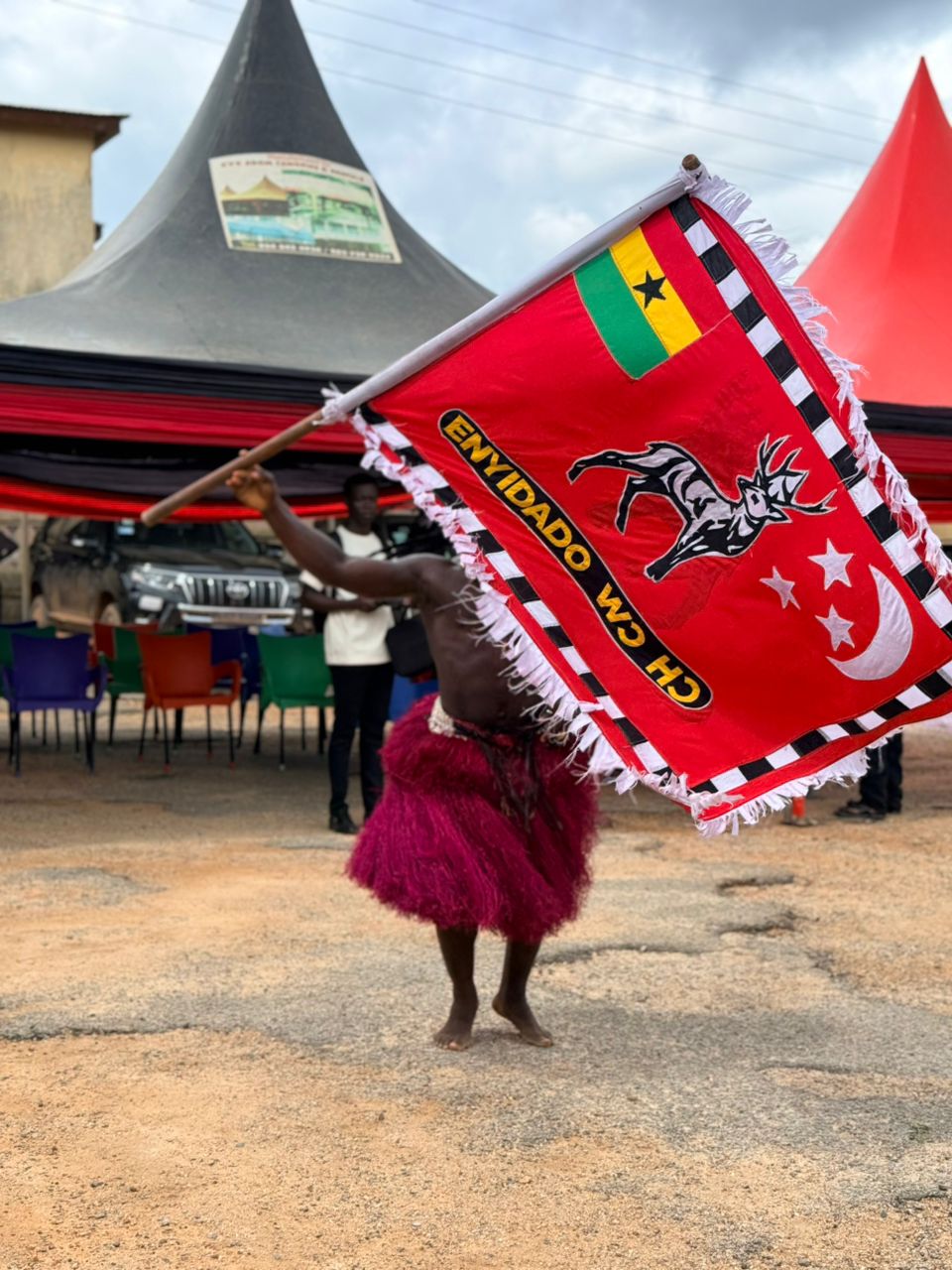
The history, royal heritage, and culture of Abora State

Hero Background
Hero Background

Brief History Of Abora State

01

The Yawanfo migration begins

c. 1056 AD

The Bɔrbɔr Mfantse migrants — part of the Yawanfo, the largest Akan tribe — leave Central Africa for the Guinea seaboard, settling temporarily before moving toward the territories near the Kong Mountains.

01

The Yawanfo migration begins

c. 1056 AD

The Bɔrbɔr Mfantse migrants — part of the Yawanfo, the largest Akan tribe — leave Central Africa for the Guinea seaboard, settling temporarily before moving toward the territories near the Kong Mountains.

02

Union with the Bono at Krako

c. 1100 AD

The Yawanfo join the Bono tribes near Takyiman. Three parent groups now stand together: the Takyimanfo, the Amuamanfo, and the Yawanfo — from whom the Abora people descend.

02

Union with the Bono at Krako

c. 1100 AD

The Yawanfo join the Bono tribes near Takyiman. Three parent groups now stand together: the Takyimanfo, the Amuamanfo, and the Yawanfo — from whom the Abora people descend.

03

Dispute and departure

c. 1200 AD

A serious dispute between the Takyimanfo and the Yawanfo sends the Yawanfo back toward the Guinea seaboard.

03

Dispute and departure

c. 1200 AD

A serious dispute between the Takyimanfo and the Yawanfo sends the Yawanfo back toward the Guinea seaboard.

04

Settlement at Mankesim

1250 AD

Migrating on from Takyiman, the Abora people arrive at Mankesim — settling first at Kwaman for a symbolic seven years, seven months, seven weeks and seven days, led by the elephant hunter Ansafor.

04

Settlement at Mankesim

1250 AD

Migrating on from Takyiman, the Abora people arrive at Mankesim — settling first at Kwaman for a symbolic seven years, seven months, seven weeks and seven days, led by the elephant hunter Ansafor.

05

The great country

1252 AD

Egyir Enyin Kwadwo, Ansafor, Munko and the elders found Mankesim — meaning "the great country" — while the rest of the group remains at Kwaman. The people later move inland to Abora Amanmfo, then Abora Nanfodo, and finally Abora Gyabankrom.

05

The great country

1252 AD

Egyir Enyin Kwadwo, Ansafor, Munko and the elders found Mankesim — meaning "the great country" — while the rest of the group remains at Kwaman. The people later move inland to Abora Amanmfo, then Abora Nanfodo, and finally Abora Gyabankrom.

Settlement at the Coast

Upon their arrival at the coast, the Abora people first settled at Kwaman for a symbolically significant period — seven years, seven months, seven weeks, and seven days. Led by Ansafor, a renowned elephant hunter, they subsequently moved to Mpeseduadze and then to Ansafona. During this period, Egyir Enyin Kwadwo, Ansafor, Munko, and several elders founded Mankesim — meaning "the great country” in 1252 AD, while the remainder of the group stayed at Kwaman.

The Abora people eventually moved inland and settled at Abora Amanmfo, meaning "the country of Abora," which later became known as Abora Nanfodo ("Abora ruins") and eventually Abora Gyabankrom.

Upon their arrival at the coast, the Abora people first settled at Kwaman for a symbolically significant period — seven years, seven months, seven weeks, and seven days. Led by Ansafor, a renowned elephant hunter, they subsequently moved to Mpeseduadze and then to Ansafona. During this period, Egyir Enyin Kwadwo, Ansafor, Munko, and several elders founded Mankesim — meaning "the great country” in 1252 AD, while the remainder of the group stayed at Kwaman.

The Abora people eventually moved inland and settled at Abora Amanmfo, meaning "the country of Abora," which later became known as Abora Nanfodo ("Abora ruins") and eventually Abora Gyabankrom.

State Structure and Governance

Abora was constituted as a large and powerful state comprising 77 wards, known as Abrons, each presided over by 77 grandees who possessed their own stools and state umbrellas. These wards federated for both offensive and defensive purposes under their theocratic leader, titled Yamfo, translating to "King."

Originally, the Aborafo (including Kwaman and Dominase) and the Anomabofo were collectively referred to as Ntsɛtsɛ ("Ants"), a designation likely reflecting their formidable numerical strength. Abora was historically recognized as the leading state of the Bɔrbɔr Mfantse confederation.

Abora was constituted as a large and powerful state comprising 77 wards, known as Abrons, each presided over by 77 grandees who possessed their own stools and state umbrellas. These wards federated for both offensive and defensive purposes under their theocratic leader, titled Yamfo, translating to "King."

Originally, the Aborafo (including Kwaman and Dominase) and the Anomabofo were collectively referred to as Ntsɛtsɛ ("Ants"), a designation likely reflecting their formidable numerical strength. Abora was historically recognized as the leading state of the Bɔrbɔr Mfantse confederation.

State Appellation

The appellation of Abora is ƆKOTOPƆN, meaning "Abora is relatively vindictive" — a declaration that speaks to the state's fierce pride, its uncompromising defence of honour, and the formidable nature of its people in the face of provocation or injustice.

The appellation of Abora is ƆKOTOPƆN, meaning "Abora is relatively vindictive" — a declaration that speaks to the state's fierce pride, its uncompromising defence of honour, and the formidable nature of its people in the face of provocation or injustice.

  • Gallery Image
  • Gallery Image
  • Gallery Image
  • Gallery Image
  • Gallery Image
  • Gallery Image
  • Gallery Image
  • Gallery Image
  • Gallery Image
  • Gallery Image
  • Gallery Image
  • Gallery Image
  • Gallery Image
  • Gallery Image
  • Gallery Image

Brief History Of Abakrampa

Founding and Early Identity

Abakrampa is a historic community situated within Abora State. Formerly known as Abramboe, the settlement was founded in 1366 AD and quickly distinguished itself as the celebrated "dancing community" within the Etsii country. Its prominence grew considerably when it became the Paramount seat of Abura in 1666 AD, during the reign of Kwesi Idun Panyin.

Etymology: How the Town Got Its Name

According to oral tradition, the founding of Abakrampa can be traced to a hunter named Okormansa Amoa, whose expedition brought him into contact with a man named Edu-Afor, who had long been settled at Akrampa Panyin — the area where the Abakrampa Senior High School now stands. Edu-Afor directed the hunter's attention to a remarkable sight: a ripe palm tree being voraciously devoured by vultures, along with the presence of an Ɔkyekyetu (a hole belonging to an alligator), signalling the existence of water nearby.

Enchanted by what he discovered, Okormansa Kobena Amoa chose to settle in the area, naming it Abakrampa. The name is derived from two Fante words: "Abɛ" (palm nut) and "Krampa" (vulture), and translates literally to "the place where vultures frequently eat palm nuts."

Alternative Historical Account

A second historical tradition offers a different origin story. According to this account, Abakrampa is a fusion of two Fante male names — "Abakah" and "Ampah" — who were palm wine tappers. When the Borbor Mfantse ancestors arrived at the coast and sought water for survival, they traversed dense forests and encountered palm trees tapped by Edu-Afor, an Etsi farmer. Abakah and Ampah helped themselves to the palm wine and brought some back to their people.

As Abakah and Ampah regularly revisited the spot to gather palm wine, others began to follow, and the place became known as "Abakah-Ampah," a name that was gradually corrupted through common usage into the present form: Abakrampa.

Community Appellation

The community appellation of Abakrampa is Ngyedum, meaning "fire quenchers." This name speaks to Abakrampa's spiritual potency and its standing as a powerful city within the greater Abora State — a community capable of extinguishing even the fiercest of adversaries.


Founding and Early Identity

Abakrampa is a historic community situated within Abora State. Formerly known as Abramboe, the settlement was founded in 1366 AD and quickly distinguished itself as the celebrated "dancing community" within the Etsii country. Its prominence grew considerably when it became the Paramount seat of Abura in 1666 AD, during the reign of Kwesi Idun Panyin.

Etymology: How the Town Got Its Name

According to oral tradition, the founding of Abakrampa can be traced to a hunter named Okormansa Amoa, whose expedition brought him into contact with a man named Edu-Afor, who had long been settled at Akrampa Panyin — the area where the Abakrampa Senior High School now stands. Edu-Afor directed the hunter's attention to a remarkable sight: a ripe palm tree being voraciously devoured by vultures, along with the presence of an Ɔkyekyetu (a hole belonging to an alligator), signalling the existence of water nearby.

Enchanted by what he discovered, Okormansa Kobena Amoa chose to settle in the area, naming it Abakrampa. The name is derived from two Fante words: "Abɛ" (palm nut) and "Krampa" (vulture), and translates literally to "the place where vultures frequently eat palm nuts."

Alternative Historical Account

A second historical tradition offers a different origin story. According to this account, Abakrampa is a fusion of two Fante male names — "Abakah" and "Ampah" — who were palm wine tappers. When the Borbor Mfantse ancestors arrived at the coast and sought water for survival, they traversed dense forests and encountered palm trees tapped by Edu-Afor, an Etsi farmer. Abakah and Ampah helped themselves to the palm wine and brought some back to their people.

As Abakah and Ampah regularly revisited the spot to gather palm wine, others began to follow, and the place became known as "Abakah-Ampah," a name that was gradually corrupted through common usage into the present form: Abakrampa.

Community Appellation

The community appellation of Abakrampa is Ngyedum, meaning "fire quenchers." This name speaks to Abakrampa's spiritual potency and its standing as a powerful city within the greater Abora State — a community capable of extinguishing even the fiercest of adversaries.


Profile Of His Royal Majesty

Emintsinminim Otu Xi, King Of Abora State

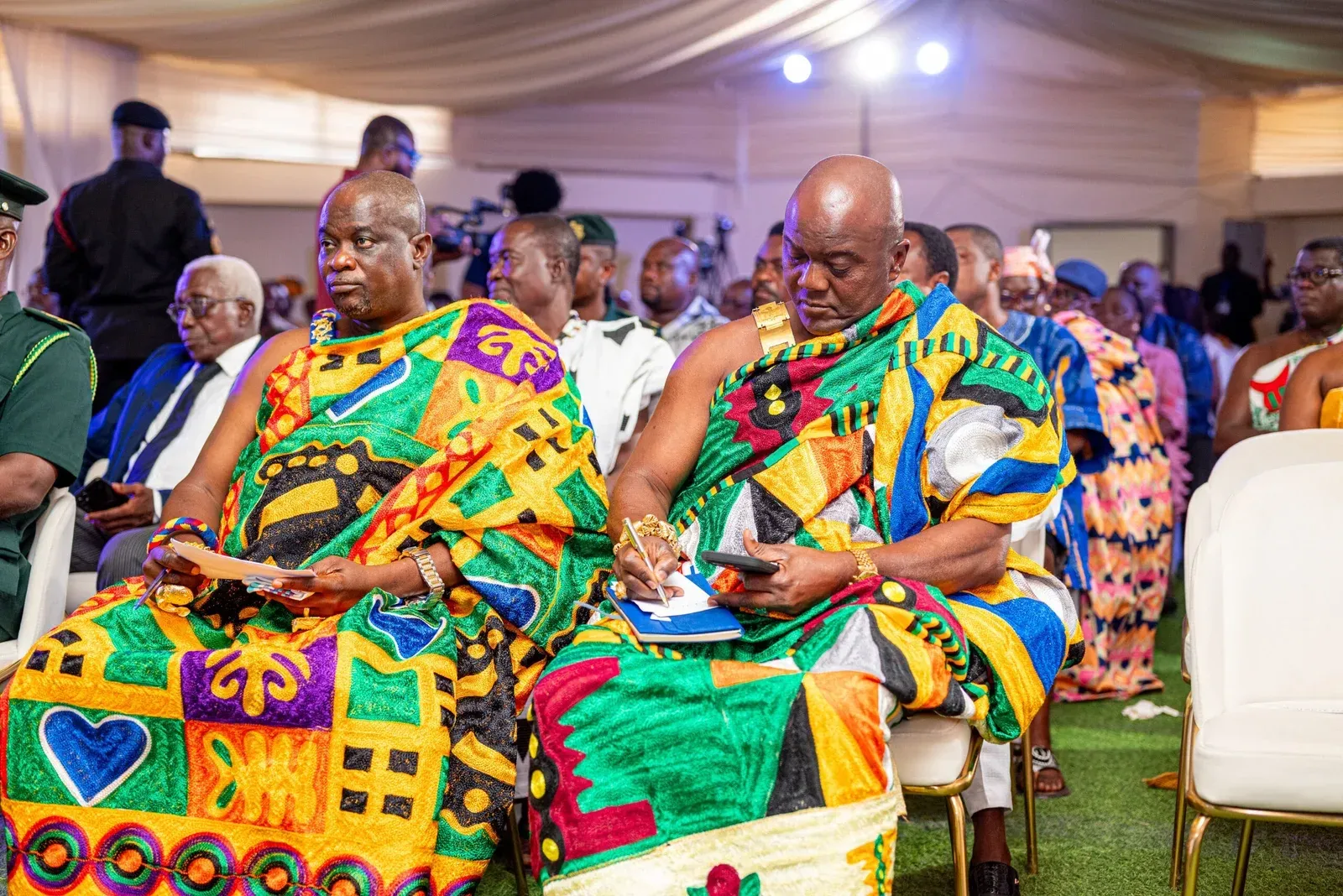
His Royal Majesty, Emintsinminim Otu XI is the esteemed Omanhen of Abora State, one of Ghana's most distinguished and historically significant traditional leaders. He holds the honour of being the 29th reigning monarch from the era of the coming of the Borbor Mfantse, and the 11th Otu on the Abrankor Paramount stool of Abora State.

As the incumbent monarch, His Majesty proudly represents Abora State, the largest state among the traditional Borbor Fante polity.

The Name: Emintsinminim

The name "Emintsinminim" translates to "unconquerable," carrying enormous symbolic weight within the traditions of Abora State. It embodies immense strength, resilience, and wisdom — qualities that define the character of the stool and those who ascend to it.

Image
Image

His Majesty's reign is visually distinguished by the iconic "Ebidzidzibiekyir," a double umbrella that underscores the hierarchical structure of leadership and royalty in Abora, affirming the state's historic supremacy within the Borbor Fante confederation.

Emblem and Symbolism

The royal emblem of His Royal Majesty Emintsinminim Otu XI is the male elephant — a universal symbol of immense strength, power, and indomitability. The imagery captures the essence of a creature so formidable that it cannot be swallowed by a bog, no matter the challenge it faces.

This symbolism is powerfully expressed in the state horn, which blows the Fante proclamation:

"Prɔntɔmprɔm prɔntɔmprɔm prɔntɔmprɔm, ɔwo bɔtum ɔson yi men?"

"Can the bog swallow an Elephant?"

Role and Responsibilities

As Omanhen, His Royal Majesty Emintsinminim Otu XI plays a vital and multifaceted role in governing and preserving the rich cultural heritage of Abora State. His leadership encompasses over 228 towns and villages within the Abora Asebu Kwamankese District. His duties span administrative, statutory, customary, and spiritual responsibilities, making him not only a ceremonial figurehead but an active custodian of the community's welfare and traditions.

Key Pillars of His Leadership

•  Cultural Preservation: His Majesty is steadfast in emphasizing the importance of traditional practices, customs, and indigenous knowledge systems that define the identity of the Abora people.

•  Community Development: He actively fosters growth, progress, and socio-economic advancement within Abora State, working to uplift the living standards of those under his domain.

•  Symbol of Unity: His Majesty serves as a unifying figure for the diverse peoples of Abora State and beyond, bridging generations and communities through the shared bonds of heritage and mutual respect.
 

Image

Donate Today

Your Kindness Can Change a Life Today

Even a small donation can make a life-changing difference for someone in need.

Image

Donate Today

Your Kindness Can Change a Life Today

Even a small donation can make a life-changing difference for someone in need.

Image

Donate Today

Your Kindness Can Change a Life Today

Even a small donation can make a life-changing difference for someone in need.